
Beyond the Draft: Smart Roster Moves for Madden NFL 27 Franchise Longevity
Oct-19-2026 PSTSummary
Madden NFL 27 introduces deeper mechanics into Franchise Mode, making roster management more complex and rewarding than ever. This guide breaks down essential strategies for balancing salary caps, player development, and trade value to ensure sustained competitive success.
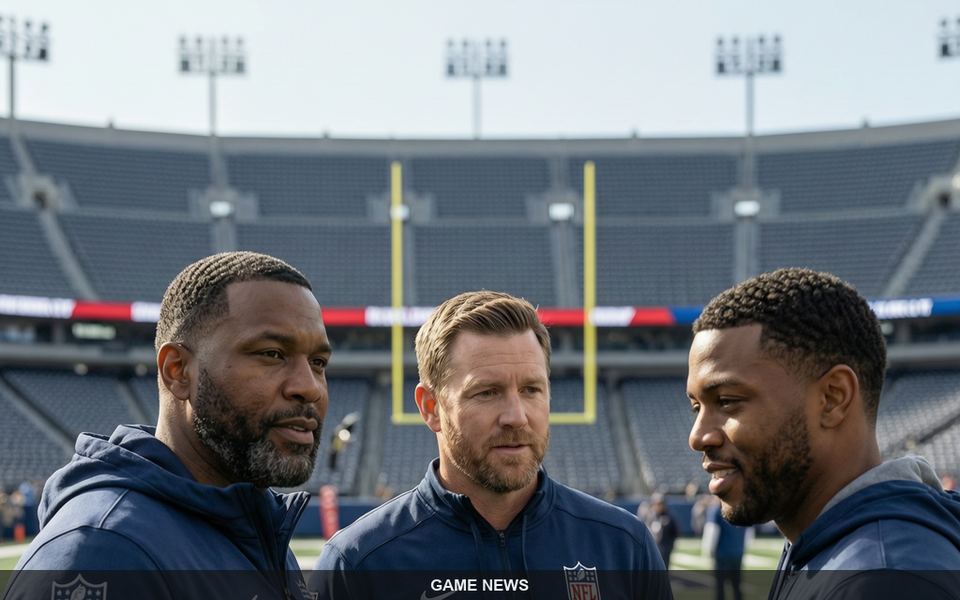
What Changed in Roster Management
What Changed in Roster Management
The core loop of franchise building has shifted with updated player growth algorithms and stricter contract structures. Players now exhibit more nuanced performance declines, requiring managers to anticipate retirement windows earlier. Additionally, the new injury probability system forces teams to maintain deeper practice squads, as key starters can miss multiple games unexpectedly. Understanding these changes is critical for avoiding sudden team collapses mid-season.
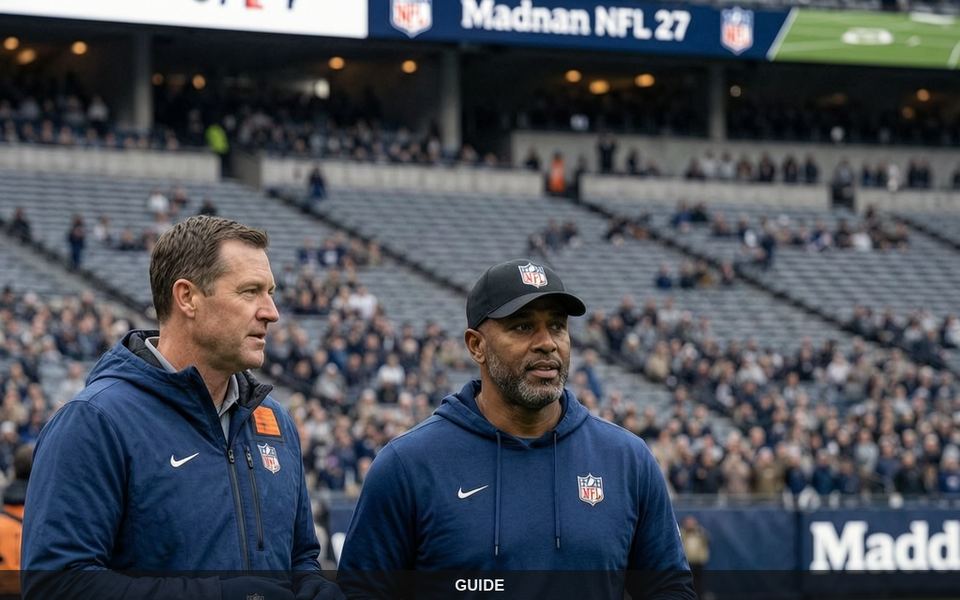
Why It Matters for Your Dynasty
A poorly managed roster leads to cap hell and a lack of impact players, stalling your dynasty's progress. Conversely, strategic asset management allows you to accumulate high-potential rookies while retaining veteran leaders. Many users find that acquiring resources early helps mitigate financial strain; for instance, some look to madden 27 coins to optimize their initial setup or correct early mistakes, though smart in-game decisions remain paramount. The goal is to create a self-sustaining ecosystem where talent development outweighs expensive free agency signings.
Key Areas to Monitor
- Salary Cap Flexibility: Avoid maxing out contracts on secondary positions.
- Player Age Curves: Track when prospects hit their prime versus decline.
- Draft Pick Value: Never overpay for future picks unless rebuilding.
Who Should Care About These Strategies
Whether you are a hardcore simulation enthusiast or a casual player who enjoys long-term save files, these principles apply universally. Newcomers often struggle with immediate wins leading to long-term debt, while veterans may overlook subtle metric changes in Madden NFL 27. Recognizing your playstyle helps tailor the approach; aggressive traders need different safeguards than conservative draft-and-develop managers. If you are considering external boosts to accelerate your learning curve, searching for "Madden 27 Coins online kaufen" might yield results, but mastering the built-in systems provides a far more satisfying experience.
Pros and Cons
Pros:
- Deeper immersion through realistic financial constraints.
- Rewarding long-term planning over quick fixes.
- Enhanced AI logic makes trades feel more consequential.
Cons:
- Steeper learning curve for new franchise players.
- Early missteps can permanently hinder team viability.
- Injury randomness requires constant roster adjustments.
Optimal Roster Tiers
| Tier | Action Strategy | Cap Impact |
|---|---|---|
| Core Stars | Extend early, ignore age curves initially | High (40%+) |
| Role Players | One-year prove-it deals or low-cost extensions | Low (20%) |
| Prospects | Draft late rounds, develop on IR if needed | Negligible (Rookie scale) |
What To Do Next
To implement these strategies effectively, follow this checklist during your first season:
- Review all existing contracts for dead money.
- Identify one position group to rebuild via draft.
- Trade any player over 30 years old with declining ratings.
- Set aside cap space for emergency free agent signings.
- Monitor practice squad potential weekly.
Final Thoughts
Long-term success in Madden NFL 27 Franchise Mode relies less on luck and more on disciplined financial and personnel management. By respecting the new mechanical nuances, you build a dynasty capable of competing for years. Start small, learn the market trends, and watch your team evolve into a perennial contender.